Commercial Cleaning Excellence
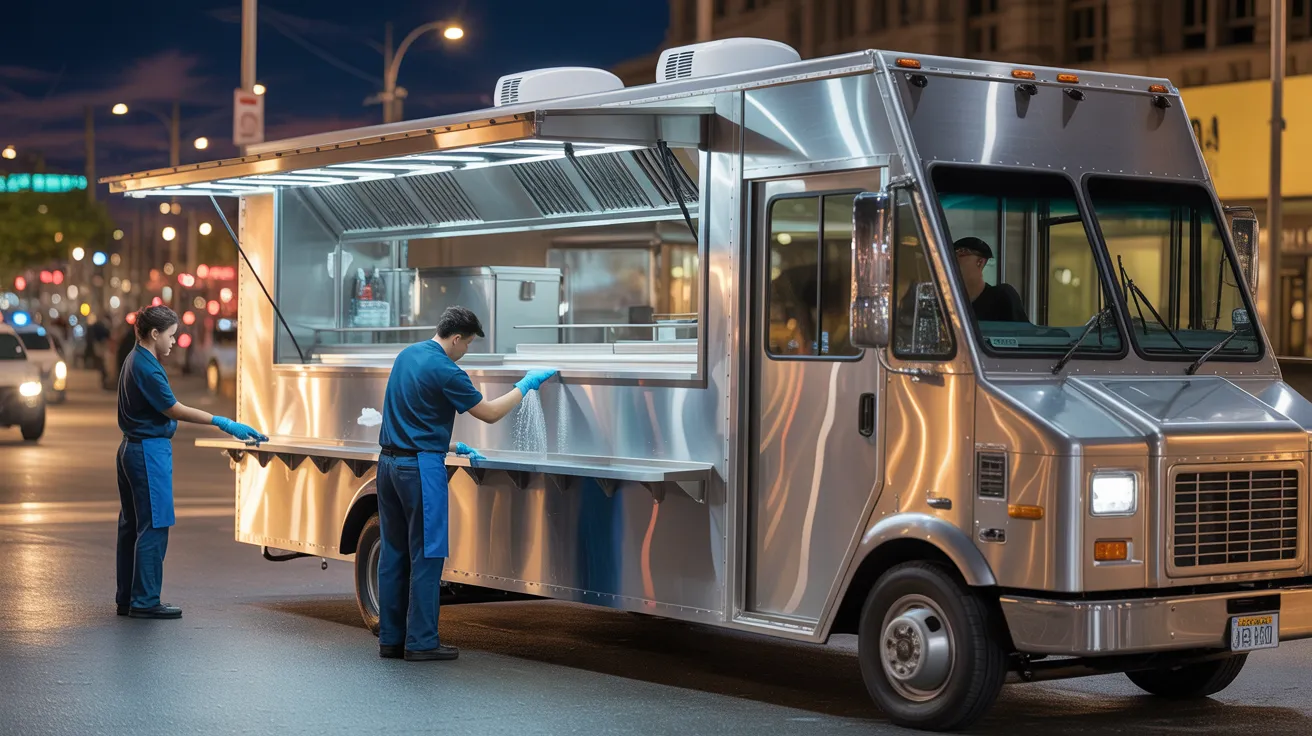
Commercial hygiene experts located in Brampton help maintain food service establishments, commissaries, bakeries, warehouses, and mobile food units to sanitation standards. They treat high-touch surfaces, food prep surfaces, equipment, floors, drains, restrooms, and food handling areas with certified chemicals, in correct dilution, and with verified times.
Key Takeaways
- Sanitation experts in Brampton serve restaurants, grocery departments, commissaries, warehouses, bakeries, schools, mobile vendors, and allergen-sensitive operations.
- Frequently contacted areas, food-contact equipment, kitchens, floors, drains, restrooms, and storage areas are treated using zone-based workflows to reduce cross-contamination.
- Trained specialists verify proper chemical concentration, alignment, and contact time, then record conclusion with tests, audits, and remedial documentation.
- Threat, throughput, format changes, accidents, and regulations should direct sanitation plans, with daily, regular, and periodic tasks assigned by section.
- Pick vendors with HACCP, sanitation, competency, safety training, preparation, protection, testimonials, coded instruments, and assessment-ready cleaning paperwork.
What Brampton Facilities Require Food Safety Cleaning?
Food safety cleaning is mandatory for any Brampton facility that deals with, keeps, prepares, packages, or provides food. Apply it to your facility if it meets the criteria for public health inspection, food premises regulations, or internal HACCP-based controls. This includes restaurants, cafeterias, commissaries, grocery food departments, butcher shops, seafood counters, convenience stores, and institutional kitchens.
Proper sanitation protocols is also needed in storage warehouses, production plants, freezer facilities, bakeries, school nutrition services, reception halls, and meal delivery centers. Mobile and temporary establishments matter too, examples including mobile kitchens, market vendors, and seasonal booths. Your establishment needs established hygiene procedures if your team process ingredients, portion ready-to-eat items, reheat products, or store allergens. In Brampton, sanitation continues to be not voluntary; it represents regulatory, business, and safety requirements.
What Services Do Brampton Cleaning Experts Provide?
Professional cleaning teams specializing in Brampton disinfect high-contact surfaces, kitchen facilities, floors, and restrooms to satisfy food safety standards and health requirements. Focus on these locations occurs because they pose maximum contamination danger, potential for accidents, and compliance issues.
When you understand what they clean, you can ensure your operation's cleaning procedures satisfy operational and regulatory requirements.
Disinfecting High-Touch Points
Brampton maintenance experts focus on high-touch surface sanitizing because these frequently handled surfaces can distribute pathogens and contaminants throughout a space. You require a written protocol for cleaning frequently touched items like handles, plates, switches, railings, equipment controls, payment terminals, and fridge pulls. Implementing surface identification mapping, experts identify every high-traffic point and assign cleaning schedule
confirm effective sanitization
Cooking Zones, Walking Surfaces, and Restroom Environments
Professional cleaners in Brampton prioritize kitchens, floors, and restrooms given that each location involves specific food safety, slip-and-fall, and public health requirements. In industrial kitchens, you need grease removal from cooking stations, appliance surfaces, drain systems, preparation areas, and backsplashes to minimize contamination and pest pressure.
Documented floor care is also provided as part of the service.
In restrooms, cleaners disinfect touchpoints, fixtures, partitions, dispensers, and waste containers then restock supplies and control odours. They also maintain restaurant cleaning supply rooms where product storage, sink cleanliness, and drain systems impact daily sanitation standards and worker protection.
The Importance of Food Safety Cleaning in Brampton
Brampton operations demand food-safe cleaning standards to meet compliance obligations and pass audits. You also minimize cross-contamination by cleaning and sanitizing food-contact surfaces, equipment, and high-touch areas correctly. Most importantly, you safeguard public health by lowering the risk of foodborne illness in your facility.
Sanitary Standards Adherence
Because Brampton food businesses operate under mandatory safety protocols, food safety cleaning directly affects your capability to fulfill health code requirements, safeguard customers, and prevent enforcement action. You must maintain hygienic food handling zones, verifiable cleaning logs, helpful guide safe chemical management, and verifiable staff procedures that meet municipal and provincial inspection expectations.
Thorough sanitation documentation permit you to show due diligence during compliance reviews and demonstrate your procedures remain consistent, reproducible, and monitored. Comprehensive sanitation moreover supports allergen management by reducing particles on common tools and commonly contacted zones.
Contamination Prevention
Meeting regulatory requirements also depends on your ability to prevent cross-contamination during routine food preparation and sanitation. You must keep raw items away from prepared dishes, sanitize prep surfaces between tasks, and keep cleaning products separate from food areas. Clear procedures reduce transfer risks and support consistent compliance during inspections.
You might establish allergen separation to stop main allergens from reaching common areas, containers, or machinery. Apply separate boards, color-marked equipment, and strict utensil labeling so staff don't mix items during preparation or service. Enforce washing hands following uncooked meat, fish, egg products, or allergens. Change wiping cloths regularly, and test disinfectant concentration using strips. When you train staff to follow these controls each shift, you create a cleaner, safer operation that matches Brampton's safety requirements every day.
Public Health Protection
Should food safety cleaning break, you don't simply risk a failed inspection—you expand the odds of foodborne illness harming customers, staff, and the wider Brampton community. You also undermine your responsibility in safeguarding community wellness, especially in busy food facilities where pathogens travel quickly through surfaces, equipment, and touchpoints.
You must establish cleaning procedures that eliminate soils, sanitize properly, and verify outcomes. This requires following exposure times, utilizing approved disinfectants, logging schedules, and training employees to satisfy regulatory standards. These mechanisms support pathogen reduction by limiting pathogens before reaching food or hands. Across Brampton, effective sanitation safeguards vulnerable groups, limits outbreak risk, and shows your diligence. When you maintain proper protocols, you go beyond requirements—you substantially lower hazards and facilitate secure food handling city-wide.
Why Is Cleaning Essential for Food Safety Compliance?
Upholding thorough cleaning protocols backs food safety compliance by decreasing contamination threats, controlling pathogen growth, and positioning your facility in accordance with sanitation requirements under HACCP-based programs and public health regulations. You validate that contact surfaces appear visibly clean and microbiologically controlled, backing documented preventive controls and inspection readiness.
Conscientious cleaning also enhances allergen control by clearing residues that can provoke undeclared allergen exposure. When you combine verified sanitation methods with regulatory training, your staff can adhere to established protocols, apply approved chemicals appropriately, maintain records accurately, and manage irregularities ahead of escalation occurs. Consistent cleaning promotes supply chain documentation, establishes corrective steps, and proves responsibility in audits. It also helps you preserve quality assurance, sustain regulatory compliance, and reduce the likelihood of enforcement actions, mass recalls, grievances, and preventable safety threats.
What's the Best Time to Arrange Commercial Cleaning?
spill incidents, and following-maintenance work
Schedule drains, ventilation, storage racks, and hard-to-reach areas every week or every month, based on inspection findings and sanitation records.
How Do You Choose Brampton Cleaning Experts?
Screen providers initially by their food-safe sanitation requirements—not budget alone. You need to confirm that every company meets CFIA, public health, and HACCP-aligned expectations for your operation. Demand proof of insurance, WHMIS compliance, training records, and management systems. Evaluate technician knowledge of cross-contamination risks, chemical safety, and documented sanitation practices.
You should further examine service consistency and accountability. Request testimonials from Brampton food businesses, then review reply speed, corrective action plans, and communication protocols. Validate the company facilitates supplier audits and can supply compliance documentation to regulators or third parties. Confirm equipment is maintained, colour-coded tools are applied correctly, and site-specific hazards are recognized. A qualified provider ensures regulatory compliance, product quality, and your brand reputation.
Which elements are part of a Food Safety Cleaning Plan?
Create a documented plan that clarifies every sanitation responsibility, standard, and task before production begins. You should outline cleaning schedules, authorized chemicals, concentration levels, contact duration, implements, and validation techniques for each zone, surface, and piece of equipment. Include pre-operational inspections, corrective actions, and employee training requirements.
Your program should also address cross-contamination controls, waste handling, pest-prevention measures, and documented schedules for bathrooms, drainage systems, surfaces, and food-preparation zones. Explain how you'll keep raw and prepared foods apart, enable ingredient tracking, and maintain accurate allergen labeling through validated cleaning between product changes. You should designate accountability, keep signed records, and compare results against regulatory standards, HACCP controls, and customer requirements. When gaps appear, revise procedures immediately and re-educate staff.
Frequently Asked Questions about the Plan
Can sanitation providers support overnight shifts in Brampton properties?
If you manage controlled environments, you'll also require records that enable inspections and ensure compliance.
Can Brampton cleaning experts manage hazardous incidents?
Yes, you can expect many Brampton cleaning experts to offer hazard containment solutions. They handle hazard containment, evaluate dangers, isolate affected areas, and begin swift cleanup to reduce exposure and operational disruption. You should verify arrival timeframes, professional credentials, PPE protocols, and disposal procedures. If your facility must meet health or food safety regulations, choose a provider that documents incidents, maintains regulatory procedures, and supports audit readiness.
Will eco-friendly disinfectants disinfect safely surfaces contacting food?
Yes, eco-friendly disinfectants can be suitable for food-handling equipment if you select items marked food-safe and complying with regulations. You should verify contact times, mixing proportions, and rinse requirements before application. Many botanical formulations decrease chemical burden, but you must obtain proof of efficacy against specific pathogens. To keep surfaces residue-free, you should adhere to manufacturer directions precisely and verify the sanitizer satisfies food sanitation requirements.
Can sanitation programs be modified for production fluctuations?
Absolutely, sanitation programs allow customization for seasonal variations. Revise timing, labor allocation, chemicals, and verification steps to correspond to operational cycles while maintaining regulatory adherence. Reduce production interruptions through timing sanitation amid changeovers, maximum output, and usage patterns. Also revise SSOPs, training, and monitoring protocols to account for temporary risks, novel allergens, or increased soiling. Frequent reviews ensure your strategy current.
Do commercial cleaners train employees on sanitation best practices?
Certainly, professional cleaning experts train your employees on hygiene protocols. You obtain staff training on proper chemical use, processing times, cross-contamination prevention, machine disassembly, and documentation procedures. They generally coordinate coaching with HACCP, GMP, and CFIA or regional health bodies standards. Many also run sanitation audits to check standards, identify gaps, and strengthen corrective measures. This enables you to maintain consistent procedures, satisfy audits, and minimize foodborne pathogen risks every day.
Summary
Partnering with Brampton commercial cleaning and food safety experts goes beyond tidying—it guarantees your operation meets inspection standards and your standards are defensible. From processing facilities to kitchens, each sanitized surface and maintained corner lessens contamination risk and avoids costly disruptions. By scheduling maintenance on appropriate schedules and executing a comprehensive cleaning strategy, you shield staff, your customers, and your image. In a heavily regulated sector, clean environments are non-negotiable—they're critical to business success.